
 (+91) 842-700-1426
  agriparts@jcblmail.com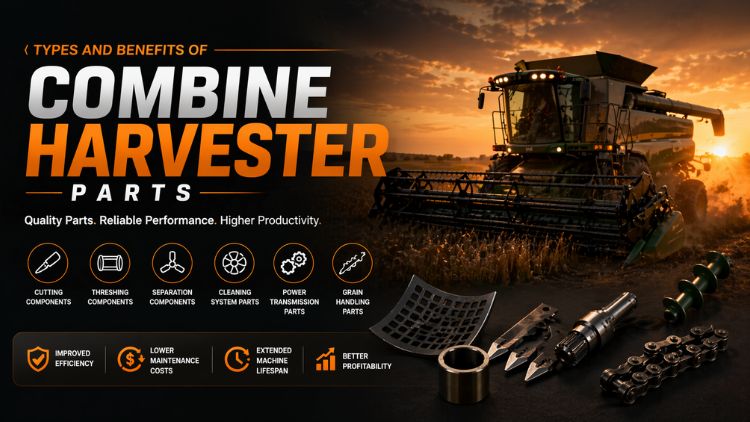
Modern farming relies heavily on combine harvesters to perform multiple operations in a single process. These machines are made up of several critical components, each designed to handle a specific stage of harvesting. Understanding combine harvester parts helps farmers and businesses improve efficiency, reduce downtime, and achieve better crop yield.
This guide explains the main types of combine harvester parts, their functions, and the factors B2B buyers should consider when sourcing replacement components.
Key Takeaways
- Combine harvester parts are divided into cutting, threshing, separation, cleaning, power transmission, and grain-handling components.
- High-wear parts like rasp bars, concaves, and blades require frequent replacement and are ideal for bulk procurement.
- The quality of agricultural harvester components directly impacts efficiency, grain loss, and machine lifespan.
- Reliable combine harvester spare parts help reduce downtime, maintenance costs, and operational risks during peak seasons.
- Bulk sourcing ensures inventory readiness, cost efficiency, and consistent supply for distributors and exporters.
- Choosing a trusted manufacturer with consistent quality and scalable production is critical for long-term business success.
What Are Combine Harvester Parts?
Combine harvester parts are mechanical components of a combine machine that perform key harvesting functions such as cutting crops, threshing grain, separating straw, and cleaning the final output. Each part works together to ensure efficient harvesting, minimal crop loss, and high productivity.
From a commercial perspective, these parts fall into two categories:
- High-wear parts, such as rasp bars, concaves, and blades, that require frequent replacement
- Structural and transmission parts, such as shafts, bushes, and linkages, that ensure long-term machine stability
Understanding this distinction helps distributors plan inventory, pricing, and procurement strategies more effectively.
Types of Combine Harvester Parts
Combine harvester parts are categorized based on their function, including cutting parts, threshing parts, separation parts, cleaning parts, and grain handling components. Each category plays a specific role in the harvesting process. Let’s discuss these in detail below.
1. Threshing Components: The Core of Grain Separation
Threshing components are responsible for separating grain from crop through continuous impact and friction.
Key parts include:
- Rasp bars
- Concaves
- Threshing drums
Rasp bars create repeated rubbing action, while concaves regulate the intensity of separation.
Important Consideration: Concave clearance and threshing settings should be adjusted according to the crop type, crop moisture, and machine manufacturer’s recommendations. Incorrect settings can affect grain separation, grain damage, and the amount of unthreshed material. Durable rasp bars can help maintain consistent threshing performance as they wear.
2. Cutting Components: Entry Point of Efficiency
Cutting components initiate the harvesting process and determine how effectively crops enter the machine.
Key parts include:
- Knife sections
- Cutter bar blades
- Guards
These components perform a scissor-like cutting action, where sharpness and alignment are critical.
Failure Impact: Dull or misaligned blades can lead to uneven cutting and crop loss before threshing begins.
Regular inspection and timely replacement of cutting components help maintain clean cuts and reduce avoidable crop losses.
3. Separation Components: Maximizing Grain Recovery
Separation components ensure that any remaining grain is extracted from the straw after threshing.
Includes:
- Straw walkers
- Rotors
These systems agitate and move straw, allowing trapped grain to fall through.
Effective separation helps recover grain remaining in the straw after threshing. Regular inspection and timely replacement of worn components can help reduce grain losses.
4. Cleaning System Parts: Quality Control Stage
Cleaning components refine harvested grain by removing impurities.
Components:
- Sieves
- Fans
Airflow and vibration remove chaff, dust, and debris from grain.
Business Impact: Proper airflow and sieve settings help remove chaff and other unwanted material from harvested grain. Clean, well-maintained components support grain quality and reduce the risk of cleaning inefficiencies.
5. Power Transmission & Structural Parts: The Backbone of Reliability
These components ensure that power flows smoothly through the machine while maintaining structural stability under heavy operating conditions.
Catalogue-aligned components:
- Shafts
- Bushes
- Brackets
- Linkage assemblies
- Fabricated structures
Failure Impact: Even minor wear can cause vibration, misalignment, and accelerated wear in other parts.
Insight: Although lower in replacement frequency, these parts are critical for long-term reliability and brand credibility.
6. Auger & Grain Handling Parts: Flow Efficiency
Grain handling components manage the internal movement of harvested material within the machine.
Includes:
- Grain augers
- Elevator chains
Operational Benefit: Efficient grain flow prevents clogging, reduces downtime, and supports faster harvesting cycles.
Benefits of High-Quality Combine Harvester Parts
High-quality combine harvester parts improve efficiency, reduce downtime, extend machine lifespan, and lower total operating costs. For B2B buyers, they also ensure consistent performance and better profitability.
- Improved Harvesting Efficiency: Properly selected and maintained agricultural harvester components support smooth machine operation, help control grain losses, and maintain harvesting performance.
- Lower Total Cost of Ownership (TCO): Low-quality parts fail more frequently, increasing replacement costs, labor, and downtime. Durable parts can help reduce lifecycle costs.
- Extended Machine Lifespan: Wear-resistant materials reduce stress on interconnected systems, helping prevent premature failure.
- Reliable Performance During Peak Seasons: High-quality parts support consistent performance under heavy loads and help minimize breakdowns during critical harvesting periods.
- Better Profitability for Distributors: Reliable parts can reduce returns, improve customer satisfaction, and support repeat business.
High-Quality vs Low-Quality Combine Harvester Parts
| Factor | High-Quality Parts | Low-Quality Parts |
| Lifespan | Longer service life with better durability | Short lifespan with frequent wear |
| Performance | Consistent and reliable performance | Inconsistent performance |
| Downtime | Minimal downtime due to fewer failures | Higher downtime due to frequent breakdowns |
| Maintenance Cost | Lower long-term maintenance costs | Higher maintenance and replacement costs |
| Efficiency | Improved harvesting efficiency and output | Reduced efficiency and potential grain loss |
High-Wear Combine Harvester Parts to Prioritize in Bulk
Not all combine harvester parts have the same replacement frequency, which makes it important for B2B buyers to focus on high-wear components when planning bulk procurement.
Top bulk procurement categories:
- Rasp bars
- Concaves
- Knife sections and blades
- Bushes and wear sleeves
These components experience regular mechanical stress and may require more frequent inspection or replacement, depending on operating conditions. Stocking suitable quantities helps distributors meet seasonal demand and reduce the risk of stockouts.
Common Challenges in Sourcing Combine Harvester Parts
Sourcing combine harvester parts can be complex due to inconsistencies in quality and supply chain reliability.
Key challenges include the following:
- Variability in material quality
- Lack of standardization across suppliers
- Delayed deliveries during peak demand
- Short lifespan of low-cost alternatives
These challenges can lead to frequent failures, increased maintenance costs, and disruptions during critical harvesting periods. Working with unreliable suppliers not only affects product performance but also damages customer trust and long-term business relationships.
Why Bulk Procurement Is a Strategic Advantage
Bulk procurement in the agricultural parts industry is not just a cost-saving approach; it is a strategy to ensure supply chain stability and operational control.
Advantages:
- Price stability
- Inventory readiness
- Reduced supply chain risk
- Stronger negotiation power
During peak harvesting seasons, when demand spikes, having sufficient inventory ensures an uninterrupted supply and avoids missed sales opportunities.
For distributors and exporters: bulk sourcing supports business continuity, improves margins, and strengthens market competitiveness.
What Defines a Reliable Combine Harvester Parts Manufacturer?
Choosing the right manufacturer is critical for ensuring consistent quality and long-term supply reliability. A credible manufacturer typically offers:
- A wide and specialized product catalogue
- Proven expertise in agricultural components
- Consistent quality across batches
- Scalable production capacity
- Export-ready logistics and packaging
Manufacturers with export-ready capabilities, including proper packaging and logistics support, help streamline international supply chains. Partnering with a reliable manufacturer ensures not only product performance but also stability in supply, which is crucial for maintaining customer satisfaction and business growth.
Conclusion
Combine harvester parts play an important role in harvesting efficiency, machine reliability, and overall operating costs. Choosing the right components helps maintain consistent performance and reduce unexpected downtime during the harvesting season.
For B2B buyers, factors such as material quality, manufacturing consistency, and supplier reliability are just as important as product availability. Components like rasp bars and harvesting blades require particular attention because they directly affect threshing and cutting performance. Working with the right OEM-quality harvesting parts supplier can help businesses maintain product quality, support their customers, and build long-term supply relationships.
FAQs
The main parts include cutting components, threshing units, separation systems, cleaning mechanisms, and grain handling parts.
The threshing drum or rotor works with the concave to separate grain from the crop. The exact setup depends on the combine harvester model.
Replacement depends on usage, but parts should be inspected regularly and replaced when signs of wear or reduced performance appear.
High-quality parts improve efficiency, reduce breakdowns, and ensure better grain output and machine longevity.
A combine harvester performs cutting, threshing, separating, and cleaning of crops in a single operation, making harvesting faster and more efficient.
B2B buyers should check material specifications, product compatibility, quality consistency, expected service life, minimum order quantities, packaging, and delivery timelines before placing a bulk order.